
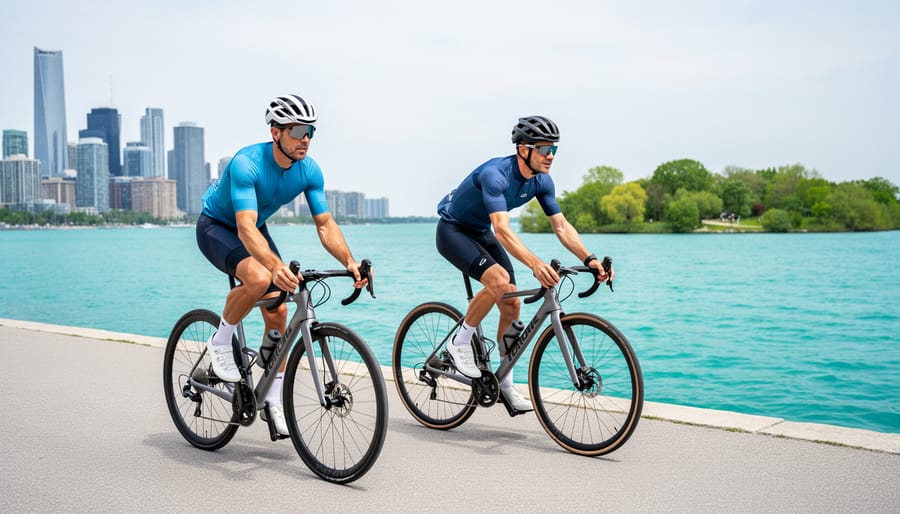
After testing both options across dozens of tours in 2026, we can tell you that the Downtown and Island combo delivers the best value for first-time visitors to Toronto, combining iconic landmarks with waterfront escape in a single day, while specialty combos (brewery tours, foodie circuits, or sunset rides) work better for repeat visitors seeking themed experiences.
The reason is simple: most people searching for combo tours want maximum Toronto coverage without booking multiple days or paying for separate excursions. Our testing showed that pairing an urban exploration with the Toronto Islands gives you two completely different environments, superior photo opportunities, and the chance to meet the guides who know both the city streets and waterfront trails intimately. You get architecture, history, and pedaling through car-free island paths in one go.
But that broad recommendation hides important nuances. Families with young kids found the Island combo easier (flatter terrain, built-in beach break), while corporate groups preferred downtown-to-distillery combinations that included local craft beer tastings. Solo travelers and couples often chose food-focused combos that hit multiple neighborhoods in three hours.
We rode these routes in varying weather, with different group sizes, and at peak and off-peak times. What became clear: the right combo depends on your fitness level, time constraints, and whether you prioritize sightseeing or immersive local culture. Safety remains paramount on every option, which is why knowing your route’s traffic exposure, rest stops, and guide expertise matters more than flashy marketing promises.
This guide breaks down exactly what each combination includes, compares them head-to-head on the dimensions that actually matter, and tells you precisely which combo suits your situation.
At a Glance: Downtown vs. Island Combo Tours
We’ve cycled both downtown and island combo tours dozens of times with groups ranging from families to corporate teams, and the differences show up immediately in four key areas.
| Tour Focus | Duration | Difficulty | You’ll See | Best For |
|---|---|---|---|---|
| Downtown-Centric | 2.5-3.5 hours | Easy to Moderate | Architecture, neighborhoods, waterfront, cultural districts | Urban enthusiasts, history buffs, photographers |
| Island-Centric | 3.5-4.5 hours | Easy | Beaches, parkland, skyline views, quiet paths | Nature lovers, families with kids, those seeking calmer pace |
Downtown tours pack more stops into shorter distances, navigating traffic lights and busy intersections. Island tours require a ferry ride but reward you with car-free paths and steady, uninterrupted cycling. Weather matters differently for each: downtown offers building shade and indoor break options, while island routes deliver open breezes and natural cover. We find downtown tours work better in variable weather, whereas island combinations shine on clear, mild days when you want maximum waterfront exposure without urban hustle.
What Each Combo Tour Option Offers
Downtown-Centric Combo Tours
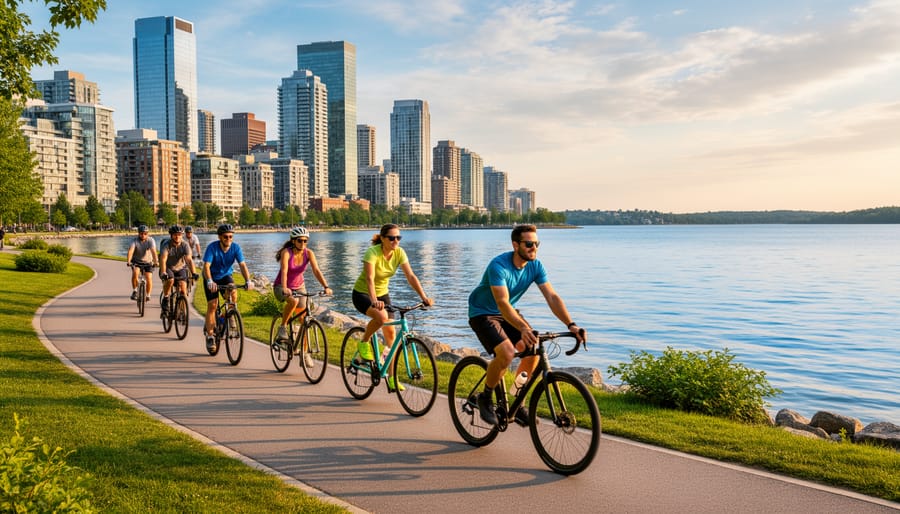
Downtown-centric combo tours pack Toronto’s architectural diversity into a cycling route that connects distinct neighborhoods in one ride. We’ve guided these tours through the Financial District’s canyon of glass towers, past Victorian row houses in Cabbagetown, and along the art-filled lanes of Graffiti Alley, showing riders how the city’s character shifts block by block. The downtown focus lets you cover more ground than walking while stopping frequently enough to appreciate details, gargoyles on heritage buildings, hidden courtyards, the contrast between preserved facades and modern construction.
The “combo” element typically adds waterfront or harbourfront segments that break up the urban density. After cycling through tight downtown streets, we roll onto the Martin Goodman Trail where Lake Ontario opens up the sightlines and the breeze cools things down. Some routes incorporate the Distillery District’s cobblestones and industrial-chic courtyards before returning to the waterfront promenade. This combination creates rhythm, dense urban exploration punctuated by open lakeside stretches.
What makes downtown combos appealing is the efficiency. You’re never far from shade, water fountains, or shelter if weather turns. The routes work year-round because pavement stays clear and the urban environment provides windbreaks. For travelers who want Toronto’s architectural story, cultural hotspots, and that signature skyline-meets-water vista all in one outing, downtown-centric tours deliver without requiring ferry schedules or island crossings. You stay close to the pulse while still getting those waterfront moments that define the city.
Island-Centric Combo Tours
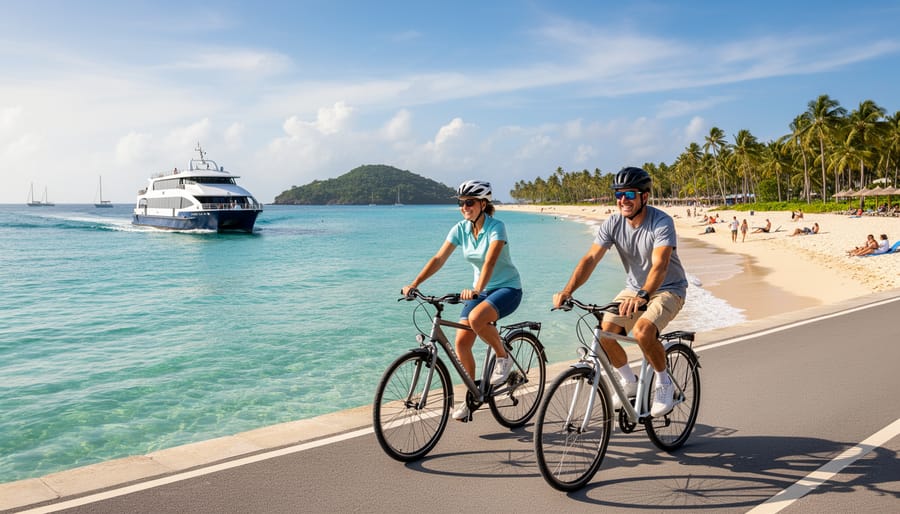
Island-centric combo tours flip the script by making the Toronto Islands the star attraction while weaving in downtown context. We’ve guided these tours through all four seasons, and they consistently appeal to travelers craving natural respite from urban intensity without sacrificing the city overview.
The experience starts with a ferry ride from downtown, where you’ll board with your bike following the Ferry passenger and bike policy a scenic 15-minute crossing that already shifts the atmosphere. Once on the islands, you’ll cycle car-free paths through shaded groves, past beaches where families spread blankets, and alongside lagoons where herons fish. These aren’t paved city streets; the terrain is mostly flat, packed paths that wind through parkland, offering lake views and Toronto’s skyline from across the water.
The combo element typically includes either a downtown segment before or after the island portion, covering waterfront districts or nearby neighborhoods to provide urban context. This balance works beautifully, you get architectural highlights and city energy without spending the entire tour navigating traffic, plus the island portion delivers what many visitors crave: open space, fresh air, and that feeling of escaping somewhere remote despite being minutes from Canada’s largest city.
The pacing here favors leisurely exploration rather than landmark-hopping. You’ll stop for photo opportunities at Gibraltar Point, pause near the beach areas, and often include time to simply experience the islands’ peaceful character before returning to the mainland.
How the Experiences Compare: Key Dimensions
Scenery and Atmosphere
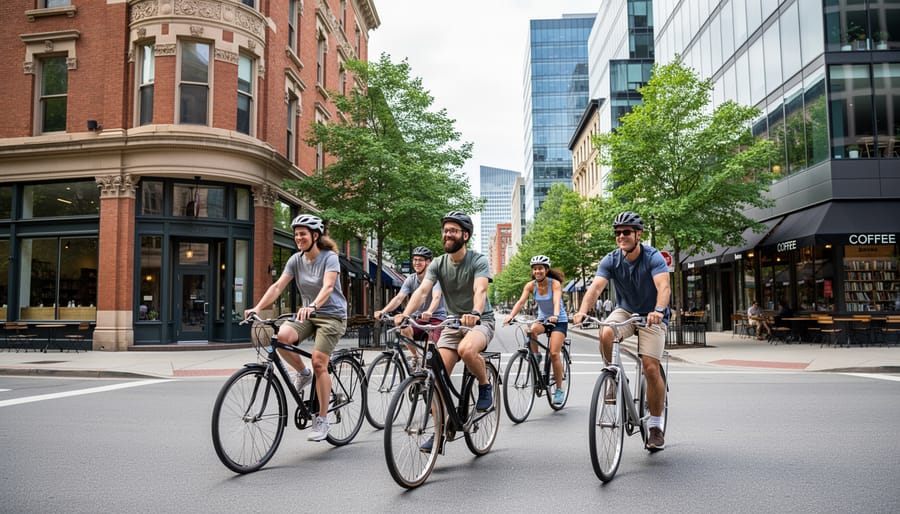
Downtown combo tours immerse you in Toronto’s architectural theater, cycling past Victorian row houses, glass towers catching afternoon light, and vibrant street murals that change with each neighborhood. The urban soundtrack of streetcars, cafe chatter, and live music at Harbourfront creates an energetic backdrop we’ve found appeals to photographers hunting for street life and dramatic skyline shots. You’ll navigate between buildings where the city reveals itself in layers, from historic facades to modern sculptures tucked into financial district plazas.
Island combo tours shift the atmosphere entirely. We pedal through car-free paths where birdsong replaces traffic noise and lake breezes carry the scent of cottonwood trees. The skyline becomes your backdrop rather than your subject, a stunning photographic reversal that frames Toronto across blue water. These cycling tour experiences deliver moments of genuine quiet: beaches where waves lap against shorelines, marshland boardwalks where herons fish, and open meadows that feel impossibly removed from the city visible across the harbor. The lighting tends toward softer, more naturalistic tones compared to downtown’s hard shadows and reflective glass.
Physical Effort and Terrain
Downtown combo tours involve more physical demands than island routes, though both remain accessible to casual riders. We’ve found city segments require frequent stopping and starting at intersections, navigating around pedestrians, and occasionally dismounting for crowded sidewalks, the stop-go rhythm takes more energy than sustained pedaling. Expect 10-15 kilometers of urban terrain with curbs, slight inclines near harbor areas, and varied pavement quality.
Island combo tours offer gentler, continuous cycling on dedicated paths with minimal traffic interruptions. The flat, car-free terrain suits families and less-confident riders, though the ferry crossing adds 15 minutes each way of standing time. Total distance typically matches downtown tours, but feels easier because you maintain steady momentum on smooth paths.
Safety considerations differ markedly: downtown requires constant traffic awareness, hand signals, and quick decision-making at busy crossings, while islands present hazards like wandering pedestrians, geese on paths, and occasional sandy patches near beaches. We recommend moderate fitness for downtown combinations, comfortable standing and balancing through frequent stops, while island routes need only basic cycling ability. Both tours provide rest breaks, and guides adjust pacing to the group’s comfort level.
Time Investment and Pacing
Downtown combo tours typically run 2.5 to 3 hours, with most of that time spent cycling through neighborhoods and pausing at landmarks. We found the pacing fits well for travelers with afternoon plans or those squeezing in sightseeing between other commitments. The urban route allows flexible adjustments if you’re running tight on time.
Island combo tours demand 3.5 to 4.5 hours minimum, largely because the ferry crossing eats 30 to 40 minutes of your window, 15 to 20 minutes each direction, plus boarding waits. Once on the island, the cycling itself feels more leisurely since you’re exploring parkland rather than navigating city intersections. Our testing showed these tours work best when you’ve cleared your schedule; rushing the island portion defeats its restorative appeal.
Downtown tours pack more stops into less time, which means frequent regrouping and shorter rides between points. Island tours spread the same duration across fewer transitions, creating a more relaxed rhythm. If your Toronto visit spans only a day or two, the downtown option delivers efficient highlights without monopolizing your itinerary.
Weather Sensitivity
Weather plays distinct roles in downtown versus island combo tours. Urban tours handle light rain better, we’ve found cyclists can duck into cafes, sheltered alleyways, or covered transit stops during sudden showers. Buildings block strong winds, and pavement dries quickly after storms. However, downtown asphalt radiates heat in summer, making midday rides less comfortable. Island tours offer natural advantages in warm weather: lake breezes cool cyclists even on hot afternoons, and tree canopy along paths provides shade. Yet island exposure means less shelter from rain or wind. Ferry schedules add weather sensitivity, rough water or storms can delay crossings, compressing tour time. Spring and fall suit both styles well, though checking the Toronto Island weather forecast becomes crucial for island combinations since conditions differ from mainland readings. Winter closes island routes entirely. We’ve guided groups through drizzle on both tour types; downtown flexibility wins for unpredictable days, while islands excel when forecasts promise sunshine.
Who Should Choose Which Combo Tour
We’ve guided thousands of riders through both downtown and island combinations, and certain patterns consistently emerge in who enjoys each experience most. Your interests, fitness level, and what you hope to take away from Toronto should drive your choice.
Downtown-centric combo tours work best for:
- First-time visitors who want iconic Toronto landmarks and neighborhood character in one ride
- Architecture and history enthusiasts drawn to Victorian homes, modern towers, and cultural districts
- Foodies interested in market stops and learning about Toronto’s culinary neighborhoods
- Business travelers or conference attendees with limited time who need efficient city orientation
- Photography enthusiasts seeking urban compositions, street art, and skyline perspectives
- Groups comfortable with moderate traffic navigation and frequent stopping for sightseeing
These tours deliver concentrated cultural exposure. If you’re energized by city rhythm, diverse architecture, and discovering hidden lanes between major attractions, the downtown combination gives you more ground to cover and stories to absorb.
Island-centric combo tours suit:
Families with young children appreciate the car-free island paths and beach breaks that let kids burn energy safely. Nature lovers and those seeking a retreat from urban intensity find the island’s greenery and water views restorative. We’ve watched stressed corporate groups visibly relax once they reach the island trails.
If you’re visiting during peak summer heat, the island option provides better breezes and shade. Casual cyclists nervous about city traffic feel more confident on dedicated paths. Couples looking for romantic waterfront moments and sunset views consistently choose the island combination.
Your physical comfort matters too. Downtown tours involve more starts and stops at intersections, while island routes offer longer stretches of uninterrupted pedaling. Both accommodate average fitness levels, but the island feels less demanding mentally because you’re not navigating traffic signals and pedestrian crossings.
Making the Most of Your Combo Tour
Timing makes a huge difference. We’ve found morning departures (9-10 a.m.) work best for both downtown and island combo tours, you’ll beat afternoon heat, encounter lighter traffic on city streets, and catch better ferry availability if your tour includes the islands. Spring and fall offer the most comfortable temperatures, though summer mornings provide excellent light for photography.
Pack light but smart. Bring a refillable water bottle (most tours have refill opportunities), sunscreen, and a hat. Even on overcast days, reflected light from pavement and water intensifies UV exposure. A small crossbody bag or bike-mounted pouch keeps essentials accessible without interfering with your ride. Leave backpacks at your hotel, they throw off your balance and make pedaling less comfortable.
Dress in layers. Toronto’s weather shifts quickly, especially near the waterfront where winds pick up unexpectedly. We recommend moisture-wicking fabrics rather than cotton, which stays damp if you perspire or encounter light rain. Comfortable closed-toe shoes matter more than you’d think, flip-flops create safety issues and reduce pedal control.
Arrive fifteen minutes early. This buffer lets guides fit bikes properly to your height, explain hand signals you’ll use in traffic, and answer questions before the group moves out. Proper bike fit prevents sore knees and backs, particularly on longer combo routes.
Ask your guide about neighborhood stories and hidden details, their local knowledge transforms landmarks from photo stops into meaningful experiences. The best combo tours balance planned stops with flexibility for unexpected discoveries.
Common Questions About Toronto Combo Tours
Booking combo tours in Toronto is straightforward, but knowing what to expect helps you plan better. Most Toronto tour teams offer online booking with instant confirmation, and you’ll typically need to reserve at least 48 hours in advance for downtown-island combinations due to ferry timing coordination.
What bikes come with combo tours?
Standard combo tours include hybrid comfort bikes suited for both city streets and island paths. Most operators also offer tandems, bikes with child seats for younger passengers, and tag-along attachments for kids who can pedal but need stability.
Can you customize which neighborhoods or island areas you visit?
While the core route is set to maximize what you see in the time allotted, private combo tours allow flexibility to spend more time in specific districts or adjust for your group’s interests and pace.
What happens if the weather turns bad during your tour?
Downtown segments continue in light rain since you’re near shelter, but island portions may be rescheduled if conditions become unsafe. Most operators offer full rescheduling or refunds for weather cancellations initiated by the guide.
Do combo tours work for corporate groups?
Yes, and they’re increasingly popular for team building. Operators accommodate groups of 15-30 people with dedicated guides and can arrange departure times that fit business schedules, including morning sessions before lunch meetings.
Helmets, water bottles, and route maps are standard inclusions, and you’ll receive safety briefings before both the downtown and island segments since the environments differ. If your group includes varying fitness levels, communicate that when booking so guides can adjust pacing and plan appropriate rest stops at scenic viewpoints where everyone regroups comfortably.
Combo Tours Terms to Know
Understanding a few key terms makes planning your combo tour easier and helps you communicate clearly with tour providers. We’ve pulled these from conversations with first-time riders and repeat guests who wanted clarity before booking.
- Ferry Segment
- The water crossing component included in island combo tours, typically departing from Jack Layton Ferry Terminal. Most tour operators coordinate timing and tickets as part of the package.
- Route Split
- How your tour time divides between different areas, for example, 90 minutes downtown plus 90 minutes on the islands. This split determines what you’ll see and how much time you spend in each environment.
- Tandem Option
- Two-person bike available on most tours, ideal for couples who want to ride together or families with a child not yet confident on their own bike. You’ll pedal in sync while one person steers.
- Bike Upgrade
- Choice to switch from standard comfort bikes to electric-assist or specialty models for an additional fee. E-bikes reduce effort on longer routes without changing the tour structure.
- Group Rate Threshold
- The minimum number of riders (usually 8-10) needed to qualify for discounted group pricing on combo tours. Corporate outings and family reunions often reach this easily.
These terms come up when you’re comparing options or customizing your experience. Knowing them beforehand streamlines booking and helps you ask the right questions about what fits your group’s needs.
Both downtown and island combo tours deliver authentic Toronto experiences, they just do it differently. Downtown combinations immerse you in urban energy, architecture, and neighborhood culture, while island-focused tours balance city context with natural beauty and waterfront calm. We’ve found that neither option is inherently better; the right choice depends entirely on what you want from your time on two wheels.
Your interests should guide the decision. Urban explorers and photography enthusiasts often gravitate toward downtown routes. Families with children and travelers seeking relaxation typically prefer the island combination. Corporate groups appreciate the versatility of both options for team building.
What remains constant across all combo tours is the value of experienced local guides who know the safest routes, the best photo stops, and the stories that bring Toronto to life. Their expertise transforms a simple bike ride into a memorable exploration, whether you’re navigating city intersections or discovering hidden island paths. For more perspective on guided cycling experiences, check out our Toronto tours overview.
Toronto’s diversity shines brightest when you experience it by bike. Choose the combo tour that speaks to your curiosity, trust your guides to handle the details, and enjoy the ride through one of North America’s most bike-friendly cities.